This blog is more than just a reflection; it’s an expression of deep gratitude. Thank you, Universe, for guiding me through recovery and continuing to bless me with health and resilience.
Introduction: Beyond the Diagnoses

I’ve spent years flipping through pages of test results, specialist notes, prescription lists, and procedure summaries.
My medical records are exhaustive. They are filled with dates, acronyms, and numeric values that record my health journey since 2014.
But among all those records and scanned documents, you won’t find the tremor of my voice the first time I heard the words “Isaacs’ Syndrome.” This is the story of what never made it into the file folders at the clinic.
The Timeline of My Conditions

- 2016: Diagnosed with Isaacs’ Syndrome. It is a rare neuromuscular disorder that buzzes under my skin and whispers of chronicity.
- Shortly after: Identification of Lyme disease. It is a bacterial hitchhiker from a forgotten tick bite deep in the woods.
- The same year: A shadow slid across my vision, and Glaucoma entered unannounced.
- 2016: Membranous Glomerulonephritis knocked on my kidney’s door.
- 2018–2022: The uninvited guests arrived in waves with IBS, Diabetes, Frozen Shoulder, Eczema, and Blood Pressure spikes.
These records read like a dramatic story. They hide what really matters: my feelings, hopes, and the quiet ways my life changed.
The Emotional Landscape

When I first read “Isaacs’ Syndrome” on my discharge summary, I didn’t feel relief or clarity, only a tremor of fear.
The disorder meant my muscles could fire without permission, leaving me jittery and exhausted.
Doctors charted voltage fluctuations on their monitors. But they couldn’t capture the panic that knotted my chest when my body betrayed me.
Lyme disease came next. I was relieved to have a treatable culprit. Yet I was scared that I had been wandering through invisible forests of bacteria for months. Each antibiotic posed its own aftershocks, nausea, fatigue, and emotional numbness.
The record shows the prescription. But not the tears I cried when I realized my immune system was fighting a war I hadn’t even known I’d entered.
With Glaucoma, my ophthalmologist focused on intraocular pressure and optic nerve images. They charted numbers in millimeters of mercury, but they didn’t see my dread of facing permanent darkness. The fear wasn’t just about sight; it was about losing a piece of how I connect with the world.
Finding Faith in the Middle of Illness

For years, hospitals felt like places where my spirit didn’t belong. Under fluorescent lights and sterile sheets, I often felt like just another patient file.
But strangely……it was in those anxious moments, waiting for test results that I felt closest to something beyond the pain.
Morning rituals became my anchor:
Early morning, I whispered thanks for the simple act of breathing. When my kidneys flared up from membranous glomerulonephritis and proteinuria showed up in my labs, I leaned on silent prayers. They weren’t part of my medical chart, but they carried me through long nights and painful moments.
Vulnerability taught me strength:
Asking for help wasn’t easy. But every time I opened up to a support group about anxiety triggered by IBS, I felt something shifted.
That quiet surrender reminded me I didn’t have to be invincible. And honestly, those moments of honesty did more for my healing than any test result ever could.
Healing isn’t just physical, it’s spiritual and emotional too:
I’ve learned that true recovery comes from accepting where I am, not just fixing what’s broken. Whether through prayer, community, or simply showing up for myself each morning, I’ve found a deeper kind of strength.
How Chronic Illness Changed My Social Life and Helped Me Find Unexpected Connection

Living with chronic illness reshaped my social life in ways no scan or blood test could ever show.
During flare-ups, I quietly declined weekend plans when my shoulder pain made it hard to move. When hospital stays stretched into weeks, the texts from friends slowed down and so did I.
Feeling distant, even when I was online:
I remember scrolling through a group chat where someone celebrated a big promotion. I didn’t respond. My heart felt heavy under the weight of unread messages. I worried my laughter sounded forced, my replies too slow.
My medical records mention things like blood pressure drops and muscle twitches but they don’t capture the growing silence between me and the people I used to laugh with at dinner.
But something unexpected happened: empathy
When I opened up about my eczema’s dry patches spreading across my arms, three people shared their own stories. When I mentioned my blood pressure spiking during a Zoom call, a colleague noticed my shaky hands and gifted me a meditation app.
These small gestures weren’t part of any treatment plan, but they helped me feel seen.
Support isn’t always loud, it’s often quiet and real:
The kindness I received didn’t come from prescriptions or lab results. It came from people who understood, even a little. That empathy stitched together a new kind of community built on honest connections.
My Invisible Burden of Pain

Chronic conditions carry weight that medicine struggles to measure.
When my shoulder froze, it just hurt deep and steady. Then came that weird rush down my arm, like pins and needles buzzing through me. That’s Isaacs’ Syndrome. I can’t really show that kind of feeling on paper.
My medication list shows the doses, but not the mental fog that comes from juggling so many pills. It didn’t show how drained I felt after a full day of doctor visits, how I ended up curled up with an ice pack, just trying to recover.
The numbers might explain part of it, but they don’t capture the effort. It took a lot to laugh at my own jokes, just so my family won’t notice how forced my smile felt.
My Coping Strategies and Healing Rituals

Over time, I curated a toolkit for my invisible injuries:
1) I started journaling my moods, pain levels, and spiritual reflections.
2) Breathwork sessions were extremely useful. Before each infusion, they helped me reclaim calmness.
3) I joined online forums for my diagnosis. It was a great experience where my test results transformed into human stories of hope.
4) I took up creative projects. Sketching and writing to celebrate small victories in vision helped embody the weight of trapped fascia in my shoulder.
5) Certain Iyengar yoga sequences are aimed at maintaining kidney health. They helped control my sugar and blood pressure levels.
These routines never appeared in my chart. But they are as therapeutic as any prescription.
My Lessons in Resilience

I’ve learned that resilience isn’t a destination; it’s a practice.
“I try not to let a flare-up ruin my whole day. I make space for little moments of joy, even between treatments. When I found out my protein levels needed to be watched for life, I was scared. But I also felt a strong push to learn everything I could about eating in a way that’s good for my kidneys.”
“Diabetes taught me that my blood sugar isn’t the enemy; it’s just trying to tell me something. When it goes up after I eat certain foods, I don’t get angry at myself. I pay attention, make small changes, and stay curious.”
Learning to listen instead of feeling ashamed changed how I see food and my body.
The Unseen Costs
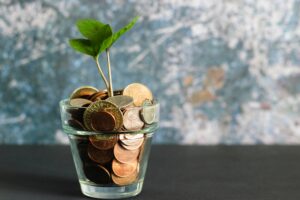
My medical bills stacked up faster than appointment reminders.
“My insurance page shows what I had to pay, like deductibles and co-pays. But it doesn’t show how hard it was on my family or how worried I felt every time I had to call about a bill. There’s no space to show how sad I was to miss my friend’s wedding because my eczema got really bad.”
“Work felt different, too. I pushed myself to meet every deadline, but I didn’t tell anyone how I was really feeling. In 2020, I took a lot of days off just to rest. I’d lie on the couch, feeling low, with music playing because I didn’t want to feel stressed.”
Redefining Normal
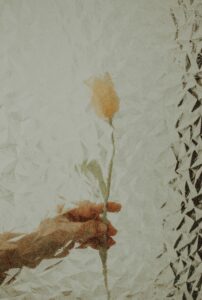
When I wake up and my body is quiet with no tremors, no stabbing headaches, I remind myself that this is pure grace.
What I think of as ‘normal‘ has changed. It’s not about feeling perfect or having no problems anymore. It’s about accepting everything I’ve been through, the hard days, the brave moments, and the times I let myself be vulnerable.
That’s all part of my story now.
I find normalcy in rituals:
1) A morning stretch that greets my stiff shoulder
2) A gratitude whispered before pricking a finger for glucose testing
3) The first sip of water after an infusion.
These small acts are my everyday miracles.
Advice to Fellow Patients
1. Let’s Claim Our Narrative
We are more than a list of lab results. Keeping a personal diary where we can voice our fears, hopes, and triumphs helps.
2. Seek Community
It can be in the form of online support groups, local meetups, or one-on-one therapy. Finding those who understand our journey can be lifesaving.
3. Embody Curiosity
When we encounter a new symptom or side effect, it’s great to ask questions. It can provide knowledge that breeds confidence and helps find an appropriate solution.
4. Practice Self-Compassion
Illness can feel like a betrayal. Let’s treat ourselves with the kindness we’d offer a friend: forgiving, patient, and steady.
5. Celebrate the Small Wins
It is important to recognize milestones. I get happy spending a day with less pain, a successful home-cooked meal, or even a clear eye appointment.
Conclusion

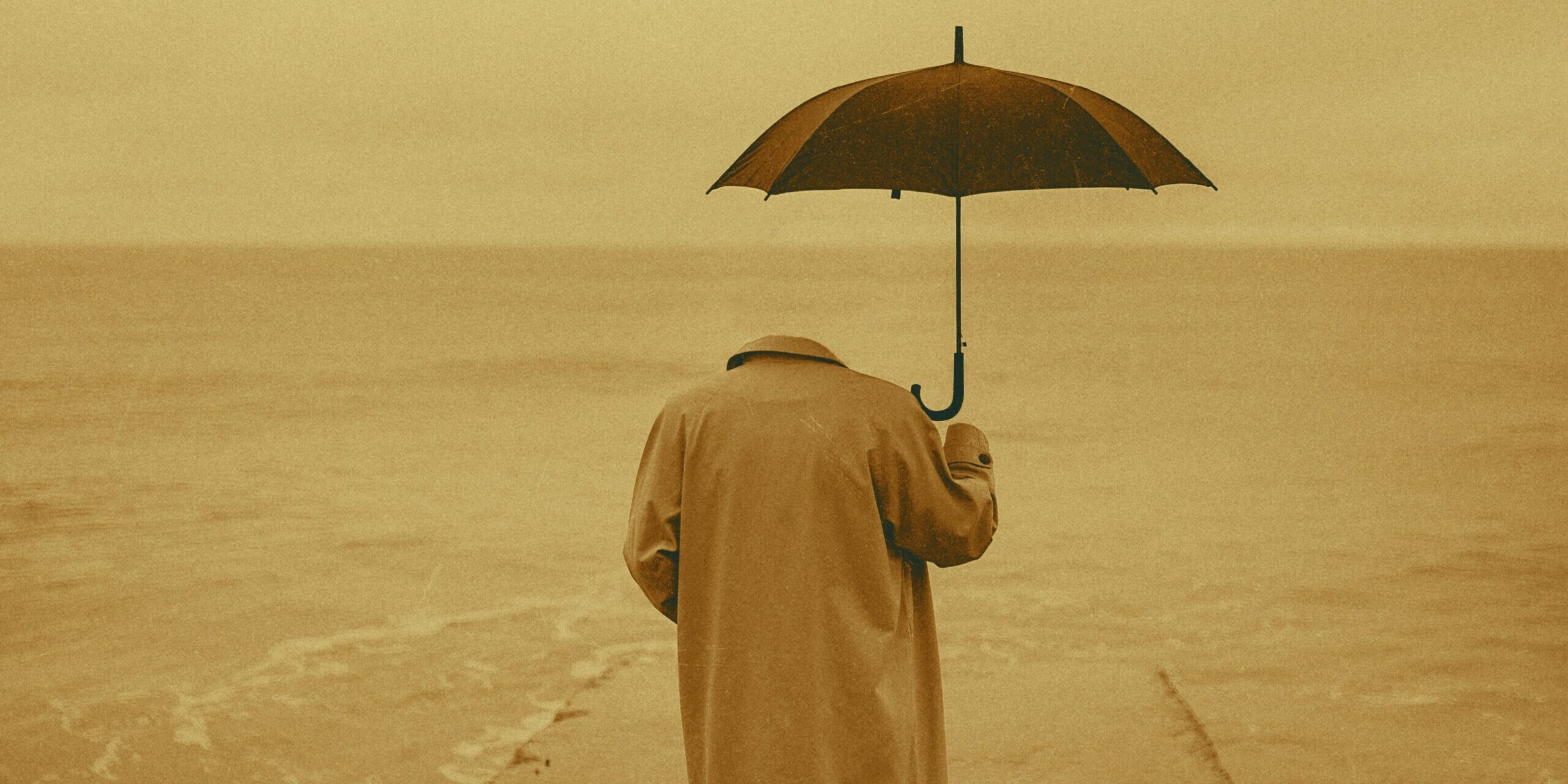
My medical record talks about the vital part of my story, the progression of each diagnosis. But it remains silent on the tremors of fear and the sparks of hope that chronic illness reshapes.
“The Archive of Me” is more than scans and lab values.
My journey is the slow dance of acceptance, the search for beauty in brokenness, and the unwavering belief that every patient carries an unseen side.
By sharing this archive, I invite you to reflect on the silent chapters in your own health journey. May we all find the words to honor what our medical records don’t say.
DISCLAIMER
The views expressed in this article are solely those of the author and do not constitute medical advice.