

Read time 6 minutes
This blog is one such celebration, a moment of gratitude for the Universe. It has continuously blessed me with resilience, recovery, and the gift of health.
Living with rare and chronic illnesses isn’t just a medical challenge.
It is an emotional and spiritual expedition that requires navigating unpredictable terrain. It is about managing fluctuating symptoms and often confronting uncertainties.
The term ‘rare disease’ may sound distant or academic to some, but for those of us living with one, it’s personal. It means limited research, experimental treatments, and few answers. Isaacs’ Syndrome falls under this category. It makes it a challenge to manage and even harder to explain.
Sadly, Isaacs’ was only one of several diagnoses I received. I also faced:
- Lyme disease: A tick-borne bacterial infection that complicated my immune responses.
- Glaucoma: An eye disease that slowly damages the optic nerves.
- Membranous Glomerulonephritis: A progressive kidney disorder that disrupted my metabolism.
- Diabetes, Blood Pressure issues & Eczema
- Frozen Shoulder and joint pain are caused by inflammation and muscle tension
- Gastrointestinal challenges like Irritable Bowel Syndrome (IBS), excess stomach acid, and enzyme imbalances.
Each condition is layered onto the other, making treatment difficult. Every day’s life was incredibly unpredictable.
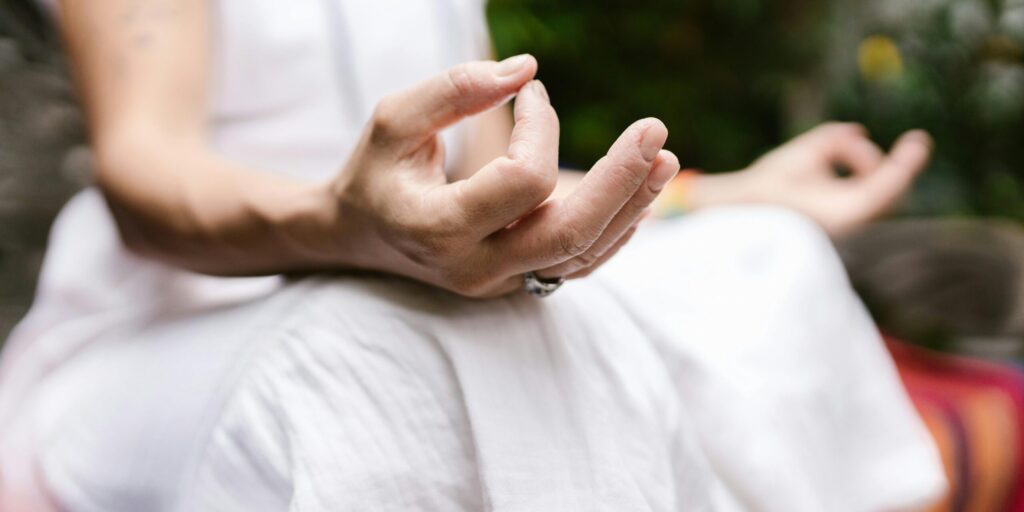
And somewhere between blood tests and therapy sessions, I stumbled upon something quiet and unexpected, yogic mudras and kriyas. These ancient practices became silent allies in my healing journey. They offered moments of stillness, balance, and subtle yet powerful shifts in how I experienced my body and its struggles.
Introduction to Yogic Mudras
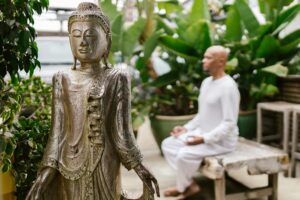
Yogic mudras are portals of transformation.
They are more than symbolic hand gestures and are rooted in ancient Indian traditions. They are designed to manipulate the flow of energy within the body. Historically, mudras were practiced by yogis and spiritual seekers. They were known to deepen meditation, enhance concentration, and promote healing from within.
They are often paired with:
- Pranayama – controlled breathing techniques
- Mantras
- kriyas- cleansing techniques
They create a holistic framework that works on the body, mind, and spirit together.
When I first began practicing mudras, I didn’t quite understand how such simple hand positions could help. But over time, their simplicity became their strength. Their impact began unfolding in gentle and transformative waves.
Exploring Types of Mudras and Their Benefits
There’s a beautiful diversity within the world of mudras. Some are invigorating, some calming, and others support specific organ systems or emotional states.
Here are a few that became regular fixtures in my practice:
1. Gyan Mudra (Wisdom Gesture):
The classic touch of index finger to thumb cultivates mental clarity. It was particularly helpful during bouts of brain fog associated with Lyme disease.
2. Prana Mudra (Vital Energy Gesture):
The ring and little fingers touch the thumb. This mudra activates dormant energy, bolstering vitality, a gift on fatigued diabetic days.
3. Apana Mudra (Elimination Gesture):
This mudra involves the ring and middle fingers touching the thumb. It supports detoxification and relieves IBS symptoms.
4. Vayu Mudra (Air Gesture):
A key ally in calming nerve twitches from Isaacs’ Syndrome. This mudra balances the excess air element, easing muscular restlessness.
5, Surya Mudra (Sun Gesture):
Holding this mudra helped regulate metabolism. It improved circulation in my frozen shoulder, allowing for greater movement over time.
What I came to realize is this: mudras are intentional gestures. They ask us to slow down, become aware, and connect with ourselves on a deeper level. And that connection has its healing power.
Mudras and Kriyas in Chronic Conditions

Western medicine played and still plays a vital role in managing my health. But it often treats symptoms rather than addressing the underlying energy imbalances.
That’s where mudras and kriyas stepped in as complementary healers.
With Isaacs’ Syndrome, I struggled with persistent muscle twitching and discomfort. Traditional therapies helped moderately.
Incorporating Vayu Mudra, practiced diligently each morning, began to ease the relentless spasms. The effect wasn’t immediate; it came slowly, as the nervous system started responding to my intentional stillness.
During periods of Lyme-related fatigue, Prana Mudra became my daily ritual. I’d sit near sunlight, close my eyes, and breathe while holding the mudra. It felt like plugging into an ancient battery, renewing my body’s subtle energy systems. I can’t describe it scientifically, but experientially, it felt like inner sunlight.
When my IBS flared up, especially in stress-heavy times, Apana Mudra helped. It regulated my digestive flow. Paired with Agni Sara kriya, which gently massages the abdominal organs, it became a routine I relied on for relief and stability.
Even glaucoma, while not cured by these practices, felt less oppressive. Practicing Shambhavi Mudra (a gaze-based technique) improved my ability to manage eye strain.
This practice was a process. It taught me that healing isn’t always about curing; it’s a lot to do with calming, balancing, and witnessing.
Patience: The Unseen Superpower
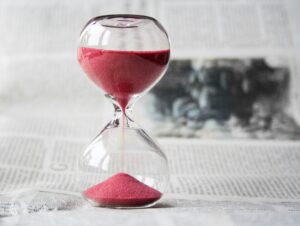
If I’ve learned anything, it’s this: Patience is not passive; it’s powerful.
Yogic mudras don’t deliver instant results. There were days I wondered whether they were helping at all. But over time, I began to notice subtle shifts, in mood, in pain levels, in how my body responded to stress. Healing through mudras is like watching a flower bloom in slow motion. You don’t always see the change happening, but one day you wake up and something feels… lighter.
Here’s why patience matters:
- Mudras work at the energetic level, influencing prana or life force. This layer of healing takes time.
- Consistency creates neural imprints. Repeating the same gesture daily builds physiological memory, aligning the mind and body.
- Progress isn’t linear. Some days are better than others. Trusting the process is part of the transformation.
A few ways I kept myself motivated:
- Mudra Journal: I recorded my weekly practice and symptoms. Over months, this helped me track patterns I otherwise would’ve missed.
- Partnering with Breath: I made my sessions immersive. Added music, guided meditations, or aromatherapy to enrich the experience.
- Daily Routine: Incorporating mudras into morning stretches or bedtime rituals made them second nature.
- The Power of Ritual and Intention
The act of holding a mudra is deceptively simple. But behind that simplicity lies the power of intention.
I recall a particularly difficult morning, a flare-up of frozen shoulder, coupled with a dull ache from my kidneys. I almost skipped my practice out of frustration. But something told me to sit, even for five minutes. I chose Surya Mudra and paired it with slow breathing. I didn’t feel better instantly. But I felt heard. Acknowledged. That alone shifted my mindset for the day.
Healing is as much emotional as it is physical. And in those quiet, repetitive gestures, we create rituals of self-care. Mudras became my meditative prayers. They made my healing personal, empowering, and sacred.
Conclusion: Trusting the Ancient Wisdom
We often overlook the wisdom passed down through generations. In our quest for innovation and instant results, we often overlook the fact that healing has always been a slow, sacred, and mysterious process.
Yogic mudras and kriyas reminded me of that. They offered moments of grounding when everything felt uprooted. For those living with rare or chronic conditions, these techniques provide more than symptom relief. They offer hope and foster a deeper connection to oneself.
So, here’s my gentle invitation: try one mudra today. Hold it with breath, with love, and with patience. Watch how stillness heals. How silence speaks. And trust that, in time, even the most complicated conditions can be softened by the gentlest of practices.
Healing isn’t always about finding a cure. Sometimes, it’s about finding your rhythm, your ritual, and your root.
Disclaimer
This blog shares my experience with Mudras and chronic illness. It is not medical advice. Always consult your healthcare provider before changing your healthcare plan.