

Read time 9 minutes
First off, thank you, Universe. Every day I wake up, I feel blessed. Recovery isn’t linear, nor is health, but both are worth fighting for. If you’re reading this blog, welcome to my world of reflection, resilience, and extensive research.

In 2016, my life took a dramatic turn. I was diagnosed with Isaacs’ Syndrome. It is a rare neurological disorder that causes continuous muscle fiber activity. It was just the beginning. Soon after, I discovered I had Lyme disease, a bacterial infection from a tick bite.
Then came Glaucoma. It silently affected my vision, followed by Membranous Glomerulonephritis. It is a kidney condition that adds another layer of complexity. As if that weren’t enough, other conditions followed like uninvited guests:
Living with multiple chronic illnesses is like juggling fire. Each condition demanded immense attention, and the overlap creates a storm of symptoms.
My View Point: From Allopathic Relief to Ayurvedic Root Care

Navigating chronic health issues can be overwhelming.
Like many, I initially turned to allopathic medicine for quick relief, especially in my acute situation. It worked; my symptoms eased almost immediately.
But over time, I started experiencing side effects such as diabetes, glaucoma, and blood pressure fluctuations. The side effects were subtle, long-term, and not easily traceable.
While allopathic medicine plays a crucial role in modern healthcare, it’s important to recognize that quick fixes can sometimes conceal underlying problems.
This led me to explore Ayurveda. It is a holistic system that focuses on treating the root cause rather than just the symptoms.
While this shift was deeply personal and not without skepticism. It offered me a more balanced path to wellness. I understand that every individual’s healing journey is unique. Many patients I know are more comfortable sticking with allopathic treatments. They didn’t resonate with Ayurvedic principles. And that’s okay.
This note reflects my personal experience, not a universal truth.
Questions in Mind

What if I weren’t living in the 21st century? What if I were a patient in ancient India, during the Vedic or classical Ayurvedic period? How would my conditions be understood, treated, or even mythologized?
Join me as we travel back in time to explore the wisdom at the heart of ancient Indian healing.
Vedic India: Illness as Cosmic Imbalance
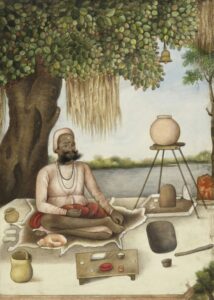
In the Vedic era (circa 1500–500 BCE), disease was not merely a physical affliction. It was a disruption of cosmic harmony.
Health back then, was seen as a balance between the body, mind, and spirit. Illness was often attributed to karmic debt, spiritual misalignment, or the scared rage.
Isaacs’ Syndrome:
The Vaidya, observing the involuntary twitching of my muscles, might have perceived it as a disruption in my prana (the vital life force). Such erratic movements could easily be interpreted as signs of spiritual imbalance.
Lyme disease:
With its fever and fatigue, the Vaidya might have viewed it as an imbalance of my agni (digestive fire) and pitta (fire element). Also, aggravated by environmental toxins or consumption of impure food.
Glaucoma:
Affecting my eyes, would carry symbolic weight.
In Vedic thought, the eyes are sacred. Therefore, it could have been linked to perception, truth, and divine insight. My vision loss might be seen as a spiritual metaphor, urging introspection.
Healing in this era involved rituals, mantras, and offerings to deities. Fire ceremonies, chanting of sacred hymns, and guidance from sages were central to restoring harmony.
Ayurveda: The Science of Life and Holistic Healing
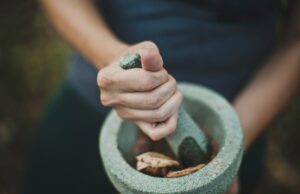
By the classical Ayurvedic period (circa 500 BCE onward), healing became more systematic. Ayurveda was literally the knowledge of life.
It offered a comprehensive framework based on the balance of three doshas:
DoshaElementGovernsVataAir + SpaceMovement, nervous systemPittaFire + WaterDigestion, metabolismKaphaEarth + WaterStructure, immunity
Each condition I live with today can be mapped to specific dosha imbalances.
I have tried exploring how an Ayurvedic physician (vaidya) might have approached my health.
Isaacs’ Syndrome: Vata Aggravation

Isaacs’ Syndrome affects the nervous system, making it a classic Vata disorder.
Vata governs movement, nerve impulses, and communication. When aggravated, it leads to tremors, spasms, and erratic muscle activity.
Ayurvedic Approach and Guidlines:
- Abhyanga (warm oil massage) with sesame or Mahanarayan oil to calm the nervous system
- Shirodhara (streaming warm oil on the forehead) to soothe mental agitation
- Herbs like Ashwagandha, Brahmi, and Tagara for neuroprotection
- A Vata-pacifying diet: warm, cooked foods, ghee, and grounding spices like cumin and fennel
My Takeaway: Vata disorders require warmth, routine, and nourishment, both physical and emotional.
Lyme Disease: Pitta and Ama

Lyme disease’s inflammatory nature points to Pitta aggravation. It also suggests accumulation of ama (toxins).
Ayurveda treats fever (jwara) as a serious condition requiring detox and cooling therapies.
Ayurvedic Approach:
- Guduchi (Tinospora cordifolia) for immunity and detox
- Neem, Turmeric, and Manjistha for antibacterial and anti-inflammatory effects
- Panchakarma detox therapies: especially Virechana (purgation) and Basti (medicated enemas)
- Cooling diet: coconut water, coriander, bitter greens, and avoiding spicy/oily foods
My Takeaway: Inflammatory conditions benefit from detox, cooling herbs, and lifestyle moderation.
Glaucoma: Chakshushya and Eye Care
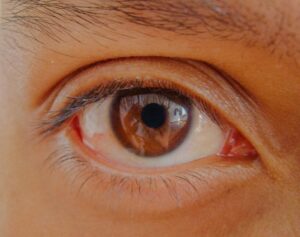
Glaucoma would fall under Adhimanta. It is a group of eye disorders involving pressure and pain.
Ayurveda treats the eyes as sacred organs, linked to the Tejas (inner light).
Ayurvedic Approach:
- Triphala eye wash for cleansing and rejuvenation
- Anjana (herbal collyrium) to reduce intraocular pressure
- Nasya therapy (nasal oil drops) to clear head channels
- Herbs like Punarnava, Amalaki, and Haritaki for eye health
Takeaway: Eye health in Ayurveda is deeply connected to liver function, detox, and mental clarity.
Membranous Glomerulonephritis: Kidney and Mutravaha Srotas
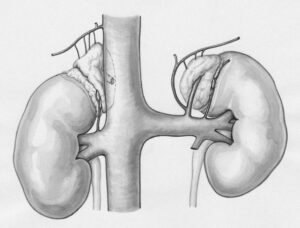
Kidney disorders are linked to the Mutravaha srotas (urinary channels). Inflammation and protein leakage suggest Kapha and Pitta imbalance.
Ayurvedic Approach:
- Gokshura, Punarnava, and Varuna for renal support
- Chandraprabha Vati for urinary tract health
- Mild diuretics: barley water, coriander seed tea
- Avoiding salty, heavy, and processed foods
My Takeaway: Kidney health depends on hydration, detox, and Kapha management.
IBS: Grahani and Digestive Fire
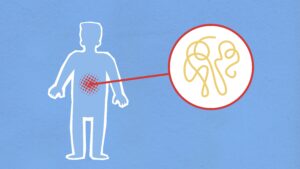
IBS is described as Grahani, a disorder of the digestive tract caused by weak agni (digestive fire). It’s often a Vata-Pitta condition.
Ayurvedic Approach:
- Kutaja, Bilva, and Nagarmotha to stabilize digestion
- Takra (spiced buttermilk) for gut flora
- Yoga poses like Pawanmuktasana and Vajrasana to aid digestion
- Eating at regular intervals, avoiding raw and cold foods
My Takeaway: Gut health is central to overall wellness, routine and warm foods are key.
Diabetes: Madhumeha

Diabetes (Madhumeha) is one of the most extensively discussed diseases in Ayurveda. It’s considered a Kapha disorder with metabolic dysfunction.
Ayurvedic Approach:
- Bitter herbs: Karela, Methi, Neem, and Gudmar
- Shilajit and Vijaysar for blood sugar regulation
- Daily exercise: brisk walking, yoga, and breathing exercises
- Avoiding sugar, dairy, and refined grains
My Takeaway: Diabetes management requires discipline, herbal support, and lifestyle changes.
Frozen Shoulder: Apabahuka

Frozen Shoulder (Apabahuka) is linked to Vata stagnation in the shoulder joint.
Ayurvedic Approach:
- Mahanarayan oil massage and steam therapy (Swedana)
- Herbal poultices (Upanaha) to reduce stiffness
- Gentle yoga: Gomukhasana, Garudasana, and shoulder rotations
- Internal herbs: Rasna, Eranda, and Dashmool
My Takeaway: Joint mobility improves with warmth, movement, and anti-Vata therapies.
Eczema: Vicharchika
Eczema (Vicharchika) is a skin disorder involving Pitta and Rakta (blood) imbalance.
Ayurvedic Approach:
- Blood purifiers: Manjistha, Neem, Sariva
- Topical applications: coconut oil with turmeric, aloe vera gel
- Internal detox: Trivrit, Haritaki, and Avipattikar churna
- Avoiding heat-inducing foods: tomatoes, chilies, fermented items
My Takeaway: Skin reflects internal health, cooling and purification are essential.
Blood Pressure: Vyana Vata and Rasa Dhatu

Hypertension is seen as a disturbance in Vyana Vata (circulation) and Rasa dhatu (plasma). Symptoms like palpitations and anxiety are addressed holistically.
Ayurvedic Approach:
- Arjuna bark, Sarpagandha, and Jatamansi for heart health
- Meditation, Pranayama, and Shavasana for stress relief
- Low-sodium diet, avoiding stimulants like caffeine
- Daily walks and mindfulness practices
My Takeaway: Blood pressure is a reflection of emotional and physical balance.
Ancient vs Modern Management: A Comparative Lens

Ancient Indian medicine focused on holistic healing, spiritual alignment, and natural remedies. Whereas modern medicine emphasizes diagnostics, pharmaceuticals, and evidence-based interventions.
Here’s how the two approaches differ across the conditions I’ve faced:
| Condition | Ancient Approach | Modern Approach |
|---|---|---|
| Isaacs’ Syndrome | Vata pacification, herbal neurotonics, oil therapies | Immunosuppressants, anticonvulsants, plasma exchange |
| Lyme Disease | Detoxification, anti-inflammatory herbs, fever management | Antibiotics, anti-inflammatory drugs, long-term symptom tracking |
| Glaucoma | Eye washes, herbal collyrium, detox | Eye drops to reduce pressure, laser surgery, regular monitoring |
| Membranous Glomerulonephritis | Diuretics, kidney-supporting herbs, Kapha-Pitta balance | Immunosuppressants, corticosteroids, dialysis in severe cases |
| IBS (Irritable Bowel Syndrome) | Digestive fire regulation, herbal tonics, routine | Diet modification, probiotics, antispasmodics, stress management |
| Diabetes | Bitter herbs, lifestyle discipline, Kapha reduction | Insulin therapy, oral hypoglycemics, continuous glucose monitoring |
| Frozen Shoulder | Oil massage, steam therapy, yoga | Physical therapy, corticosteroid injections, surgical release |
| Eczema | Blood purification, topical herbal oils, Pitta control | Steroid creams, antihistamines, immunomodulators |
| Blood Pressure | Heart tonics, breathwork, emotional regulation | Antihypertensives, lifestyle changes, cardiac monitoring |
Key Differences

Diagnosis: Ancient systems relied on pulse reading (nadi pariksha), observation, and intuition. Modern medicine uses lab tests, imaging, and biomarkers.
Treatment Philosophy: Ayurveda treats the root cause and the whole person. Modern medicine often targets symptoms and specific organs.
Timeframe: Ayurvedic healing is gradual and preventive. Modern medicine can offer rapid relief but may involve side effects.
Spiritual Integration: Ancient healing included mantras, meditation, and rituals. Modern medicine is largely secular and clinical.
Final Reflections: Bridging Ancient Wisdom with Modern Healing
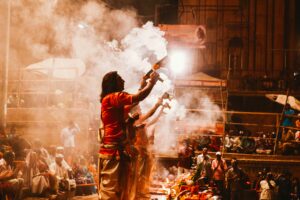
If I were a patient in ancient India, my journey through illness would be framed not just as a medical challenge but as a spiritual and existential one.
Each condition would be seen as a message. An invitation to realign with nature, with self, and with the cosmos. But I’m here, in the modern world, navigating a complex web of diagnoses, medications, and appointments.
And while I am:
Grateful for the precision of contemporary medicine, I often find myself yearning for the gentleness, the ritual, and the meaning that ancient healing systems offered.
Important: What Can We Learn Today?

Here are some takeaways for anyone managing chronic illness:
Treat the Whole Person: Don’t just chase symptoms—look at lifestyle, stress, diet, and emotional health.
Integrate Traditions: Ayurveda and yoga can complement modern treatments beautifully.
Listen to the Body: Ancient healers emphasized intuition. Learn to recognize your body’s signals.
Create Rituals: Healing isn’t just clinical, it’s personal. Build routines that nourish your soul.
Seek Balance: Whether it’s balancing doshas or blood sugar, equilibrium is the goal.
Closing Thoughts
Living with multiple chronic conditions has taught me patience, and the value of holistic care.
If I were a patient in ancient India, I might not have had access to MRI scans or immunosuppressants. But I would have been treated as a whole being, not just a collection of symptoms.
Today, we have the privilege of blending both worlds. We can honor the wisdom of the past while embracing the innovations of the present. And in that fusion lies the future of healing.
Reference Links
Maharishi Vedic Approach to Health – Wikipedia
What is Ayurveda? A Complete Guide for Beginners
Ayurvedic Approaches to Chronic Health Conditions – Ayush for Life
Role of Ayurveda in Managing Chronic Diseases
Ancient Vs. Modern Medicine: How The Times Have Changed
DISCLAIMER
I’m not a doctor; these reflections are based on personal experience and do not constitute medical advice. Always consult your healthcare provider when exploring therapeutic options.