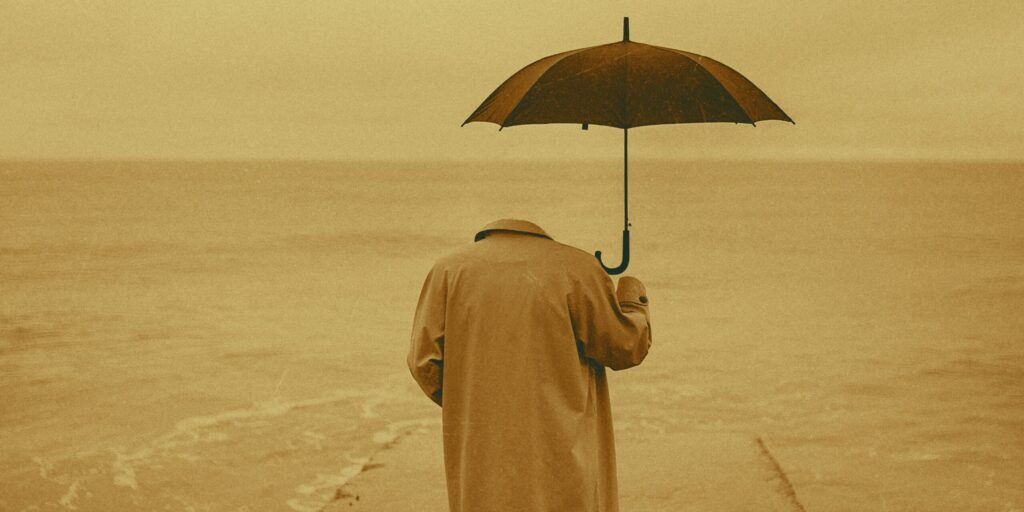
Illness is often described as a thief. It steals time, energy, and sometimes even identity.
Yet…
Paradoxically, it can also be a teacher. It can also be the one that opens doors to deeper awareness, empathy, and meaning.
This paradox has shaped my own life in ways I never imagined…

I was diagnosed with Isaacs’ Syndrome. It is a rare neuromuscular condition that causes relentless muscle hyperactivity. Along the way, I also discovered I had Lyme disease. It is a bacterial infection transmitted through ticks. As if that wasn’t enough, Glaucoma joined the list, silently threatening my vision. Then came Membranous Glomerulonephritis, a progressive kidney disease.
My gut became a battlefield with stomach acid and enzyme issues, and I developed Irritable Bowel Syndrome (IBS). Diabetes, frozen shoulder, eczema, and blood pressure problems followed like uninvited guests at a party I never wanted to host.
At first, it felt like my body was betraying me. But over time, I began to see something else: illness was not just a destroyer. It was also a revealer, a mirror, and strangely, a guide. This is the paradox I want to explore with you:
Can suffering also expand consciousness?…
The Paradox Defined
Illness contracts life in obvious ways. It limits mobility, disrupts routines, and shrinks horizons. But at the same time, it can expand inner life.
When the body falters, the mind and spirit are often forced to stretch.
I found myself asking questions I had never paused to consider before:
- What does it mean to live well, even when unwell?
- What is identity when stripped of productivity?
- What remains when control is gone?
This paradox is not about glorifying suffering. It is about recognizing that within the cracks of pain, unexpected light can enter.
Consciousness as a Byproduct of Crisis
Illness disrupts the autopilot of daily life. Suddenly, the things we take for granted, walking, eating, sleeping, become conscious acts.
This disruption can feel cruel, but it also forces awareness.
In my case, muscle spasms from Isaacs’ Syndrome made me hyper-aware of every twitch and tremor. Lyme disease brought fatigue that slowed me down to a crawl. Glaucoma made me notice the fragility of sight. Each illness took away my sense of being unbreakable and left me with a clearer, more honest awareness of life itself
In my experience, a crisis is not just an interruption. It is an invitation to see differently.
Ancient and Cultural Perspectives

This paradox is not new. Across cultures, suffering has long been seen as a pathway to wisdom.
In Indian traditions:
Ayurveda and yoga often frame illness as both imbalance and opportunity, a chance to purify, reset, and realign.
Buddhism:
Teaches that dukkha (suffering) is the first noble truth, and that facing it directly can lead to liberation.
Philosophers:
Like Epictetus, himself disabled, argued that adversity is the true test of character.
Christian mystics:
Spoke of redemptive suffering, where pain becomes a doorway to grace.
These traditions don’t romanticise illness. But at the same time, they do suggest that suffering can sharpen perception. It can ultimately deepen consciousness.
Neuroplasticity and Psychological Growth
Modern psychology also echoes these ancient insights.
Researchers call it post-traumatic growth (PTG). It is the idea that adversity can rewire the brain and lead to greater empathy, resilience, and purpose.
I’ve seen this in myself. Before illness, I was focused on achievement and speed. After illness, I became more attuned to slowness, to listening, to savouring small joys. My empathy expanded because I knew firsthand what it meant to struggle.
Science tells us that the brain is plastic; it changes with experience. Illness, though brutal, can be one of the most powerful sculptors of consciousness.
Illness as a Messenger

Illness is not just a condition of the body; it is also a message. Sometimes it whispers, sometimes it screams.
For me, it revealed truths I had long ignored. My gut issues forced me to rethink not just food, but the way I “digested” life itself. My frozen shoulder mirrored the emotional weight I carried. My fluctuating blood pressure reflected the inner storms I hadn’t calmed.
The body, I realised, is not separate from the mind or spirit. It is a mirror, reflecting what words cannot always say.
As one metaphor goes: “The body whispers what the soul cannot scream.”
The Role of Storytelling in Healing
One of the most powerful tools I discovered was storytelling.
When I began to narrate my illness journey, not just to doctors, but to friends, peers, and readers, I found peace in chaos.
Storytelling turned pain into a pattern. It allowed me to connect with others who felt unseen. It transformed isolation into community.
This is why I advocate so strongly for patient voices. Illness may silence the body, but storytelling gives it back a voice. And in telling our stories, we don’t just heal ourselves, we expand the consciousness of those who listen.
Expansion does not equal Enlightenment
It’s important to be clear: not everyone emerges from suffering with wisdom. Some are left only with scars.
Expansion of consciousness is possible but not guaranteed. It requires intention, reflection, and often, support.
For me, the expansion came not despite the pain, but because I chose to engage with it rather than deny it.
The paradox is not that suffering is good. The paradox is that suffering can be transformative if we allow it.
Consciousness in Community
Illness can feel isolating, but it also connected me in unexpected ways.
I’ve seen this in rare disease advocacy. Patients and caregivers, often scattered and unheard, came together to form powerful networks of empathy and knowledge. Illness teaches humility, but it also teaches interdependence.
In a community, suffering is not just carried alone; it turns into shared strength.
Strategic Implications for Health Advocacy

Why does this matter beyond personal growth? Because recognising the illness paradox can reshape healthcare, our communication, and policies.
For doctors and caregivers:
it means listening not just to symptoms but to stories.
For policymakers:
it means creating a valuable system that honor both medical and existential needs.
For advocates:
it means amplifying voices that reveal the deeper dimensions of illness.
If we see illness only as something to cure, we miss how it can also awaken deeper awareness. I think honouring both the suffering and the expansion, we create a more holistic approach to health.
Practical Ways Illness Expanded My Consciousness
Looking back, I see that illness didn’t just change my body, it reshaped how I live, think, and connect. Here are some ways it defined and expanded my consciousness:
1) Redefining success:
I no longer measure life by unnecessary speed. Success now means presence, balance, and meaningful contribution.
2) Listening to the body:
Every symptom became a signal. I learned to treat my body as a partner, not a machine. Rest and pacing became conscious choices.
3) Slowing down to notice:
Fatigue and pain slowed me down, but that pace helped me notice what I used to miss; the quiet joys, meaningful talks, and the calm of being still.
4) Expanding empathy:
Living with rare and invisible illnesses taught me that everyone carries hidden battles. My compassion widened.
5) Storytelling as healing:
Sharing my journey turned pain into meaning and isolation into connection. It gave my voice back its power.
6) Community as strength:
Advocacy networks showed me that suffering shared becomes resilience multiplied. Consciousness expanded beyond “me” into “we.”
7) Gratitude for small things:
Illness makes you notice and value simple joys: a pain-free morning, a good meal, a kind word.
8) Patience:
You learn to wait, to slow down, and to accept that not everything can be rushed.
9) Inner strength:
I discovered resilience I didn’t know you had.
10) Spiritual openness:
The entire episode made me more curious about life’s bigger questions and mysteries.
Closing Reflections
When I look back at the long list of conditions I’ve faced, I see not just a medical chart, but a map of transformation.
Each illness contracted my world in some way. But each also expanded it in another. I became more aware, more empathetic, more attuned to the fragility and beauty of life. It was silent but taught me to listen.
The paradox is real: illness can both break and build.
And perhaps the deepest lesson:
Suffering, when faced with courage and reflection, can become not just an obstacle, but a doorway. It is a doorway to consciousness that is wider and deeper than before.
DISCLAIMER
This blog shares personal experiences and opinions. It is not a replacement for professional medical advice.
References
- Frankl, Viktor E. (1946). Man’s Search for Meaning.
- Tedeschi, R. G., & Calhoun, L. G. (2004). Posttraumatic Growth: Conceptual Foundations and Empirical Evidence. Psychological Inquiry, 15(1), 1–18.
- Doidge, Norman. (2007). The Brain That Changes Itself.