Gratitude is my morning mantra. Every heartbeat and step forward in recovery is a blessing I don’t take for granted. So, dear Universe, thank you. You continue to bless me with health and the strength to persevere.
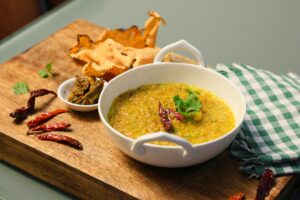
In the quiet chaos of my chronic illness, Khichdi became my anchor. This Healing in a Bowl of rice and lentils nourished more than just my body.
Introduction: My Chronic Illness Journey & The Rediscovery of Khichdi
In 2016, I was diagnosed with a rare neurological condition called Isaacs’ Syndrome. I discovered I also had Lyme disease, a bacterial infection caused by tick bites. To make matters more complicated, Glaucoma crept in, affecting my eyes. Then came Membranous Glomerulonephritis, a kidney condition. I was dealing with multiple layers of health problems.
And as if that wasn’t enough, other conditions followed like uninvited guests:
Each diagnosis brought unique challenges.
Yet, amid fluctuating energy, and dietary restrictions, one humble dish became a lifeline. It was Khichdi (also spelled Kitchri, Khichri, or Kitchari).
This blog isn’t just a celebration of a recipe; it’s a deeply personal reflection. Khichdi became my anchor for gut health, spiritual reset, and overall healing.
My lived experience

My flare days of nerve pain, and kidney symptoms, I turn repeatedly to plain Khichdi. It preferred it with extra ginger and turmeric. It is a full meal that brings stabilizing and calming energies. It rarely triggered my symptoms.
Drawing from science, Ayurveda and updates on nutrition, I hope to share the unpredictable path of digestive distress.
The Emotional Power of Simple Food: Khichdi

Living with multiple chronic conditions, food became both a battleground and a balm.
Khichdi also brought back childhood memories to me. My grandmother’s gentle hands feeding me steaming, golden rice and lentils with a touch of ghee. Also, my mother preparing it during every episode of flu or tummy upset. Its gentle aroma grounded me during moments of despair.
What Is Khichdi? Origins and Traditions
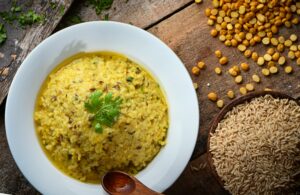
Khichdi is the union of rice (or millet) and lentils, slow cooked with gentle spices. Across India, it transcends class, religion, and region.
It is served with a drizzle of ghee, some pickle or yogurt. Khichdi graces temple kitchens, lunchboxes, hospital trays, and high-end wellness retreats alike.
It is one of the only dishes suggested across conditions, post-surgery and religious fasting and detoxification.
Khichdi’s Health Benefits and Impacts
| Benefit Area | Nutritional/Scientific Foundation | Impact on Wellness & Healing |
|---|---|---|
| Gut Health | Moong dal prebiotics, turmeric, ginger, fiber | Eases digestion, reduces inflammation, supports healthy gut flora |
| IBS/Sensitive Guts | Low-fiber, low-residue, gentle spices, minimal fats | Reduces bloating, provides symptom relief during flares |
| Blood Sugar Control | Low GI (esp. with millets), high fiber, complex carbs | Balanced glucose, safe for diabetics, reduced insulin spikes |
| Complete Protein | Rice + dal = all essential amino acids | Supports muscle repair and immune function in plant-based diets |
| Nutrient-Density | B vitamins, iron, potassium, magnesium, folate | Supports nerve, skin, kidney, and heart health; fights anemia |
| Anti-Inflammatory | Turmeric, ginger, cumin, minimal oil, no processed foods | Reduces systemic inflammation and flare triggers |
| Low Allergenicity | Naturally gluten-free (if rice/millets used), dairy optional | Safe for celiac, lactose-intolerant, and those with food allergies |
| Comfort and Satiety | Soft texture, warm temperature, high satiety index | Soothes during illness, prevents overeating, supports gentle weight loss |
| Emotional Comfort | Familiar flavors, home-cooked, ritual significance | Reduces food anxiety, fosters hope, provides emotional “grounding” |
| Ayurvedic Harmony | Tridoshic (balances Vata, Pitta, Kapha); Sattvic qualities | Calms mind and body, supports spiritual practice, detoxifies gently |
| Flexibility | Various lentils, grains, low-FODMAP veggies | Adaptable for multiple dietary and health needs |
| Post-Illness Recovery | Easily digestible, protein-rich, nurturing | Supports convalescence, boosts immunity |
| Pregnancy/Postpartum | Easy iron and protein absorption, gentle spices | Nourishes and recuperates |
| Elder Nutrition | Soft texture, simple digestion, complete meal | Supports nutritional needs without taxing frail digestion |
| Spiritual & Ritual | Prasad, fasting meals, ritual offerings | Facilitates a sense of purity and connection |
Every item above is grounded in scientific studies, Ayurvedic texts, and lived experience.
Scientific Evidence: Khichdi and IBS/Sensitive Gut Conditions

Several clinical reports and population studies in India and the US demonstrated that simple, low-fat, lightly spiced Khichdi is well-tolerated during Diarrhea:
1. IBS Management:
A 2024 case study recommends soft rice and moong dal khichdi as a staple in management of IBS. It confirms its ability to reduce bloating and regulate bowel movement.
2. Low-FODMAP Adaptation:
Plain Khichdi, especially with white rice and moong dal, naturally fits many criteria of the low-FODMAP diet.
3. Detox and Healing Protocols:
Wellness experts cite Khichdi as the preferred dish. During post-antibiotic recovery, and after stomach flu it resets the gut and nourishes.
Ayurveda: Why Khichdi Is a Great Gut Food
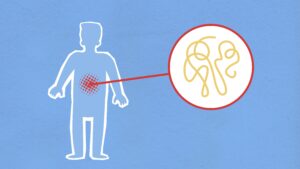
Ayurveda considers Khichdi the “tridoshic” meal. It means balancing of Vata, Pitta and Kapha doshas.
Time and again even my Ayurvedic doctors recommended, why? Because:
- Its soft texture and warmth grounds: Vata (responsible for IBS and anxiety symptoms) was much needed for my healing
- Gentle spicing and moderate oil (usually ghee) soothe Pitta (inflammation, diarrhea, skin flares)
- Minimal oil and careful protein balance make it digestible for Kapha
Ayurvedic tradition incorporates Khichdi in “gut cleansing” and even spiritual fasting.
Khichdi for My Chronic Disease Management
I was advised Khichdi for Diabetes. It focused on my Glycemic Control. Diabetes, both Type 1 and Type 2, requires careful carbohydrate management. Therefore, the type, quantity, and absorption rate of carbs all matter.
What the Science Says:
1. Standard white rice Khichdi
It has a medium glycemic index. But when made with split moong dal, the fiber and protein significantly moderate the glucose spike.
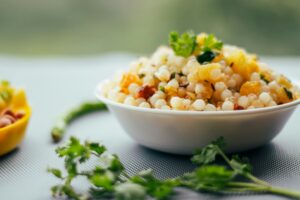
2. Millet-based Khichdi (barnyard, foxtail, bajra/pearl millet)
It delivers even lower GI. Studies show a GI as low as 35 (compared to rice khichdi at 62) and higher content of soluble and insoluble fiber, magnesium, and complex carbs.
Khichdi recipes using oats, brown rice, or buckwheat are increasingly recommended in diabetic meal plans. They offer additional protein, antioxidants, and a slow, steady glucose release.
My Practical Tip:
For my Type 2 diabetes, I often swapped white rice for barnyard millet or broken wheat. I added protein-rich moong or green dal, ghee and simple digestible vegetables for maximum benefit.
Khichdi for my Autoimmune Disease and Chronic Inflammation
Living with Isaacs’ Syndrome, membranous glomerulonephritis, and eczema is quite difficult. I grappled with a turbulent immune system and chronic inflammation.
Based on my doctor’s advice I switched to an anti-inflammatory and plant-based diet. And Khichdi is:
- Naturally plant-based
- Minimally processed
- Rich in antioxidants (turmeric, ginger, cumin, fresh herbs)
For Kidney Disease, High Blood Pressure, and Recovery
Khichdi, cooked without excess salt, is soft on kidneys and easy on the heart.
Its moderate potassium (rice), low sodium, and ability to provide gentle energy makes it ideal for kidney disease nutrition.
Scientific and Lived Insights:
Khichdi helped me reduce decision fatigue, food anxiety, and emotional overwhelm. It allowed my nervous and digestive system to calm and reset.
Studies now confirm that foods supporting gut flora also decrease depression and anxiety. It does it both via serotonin production and reduction of chronic inflammation marker.
Spiritual and Ritual Significance: The Sattvic, Tridoshic, and Communal Dimensions

Khichdi’s healing goes beyond science. Its role in spiritual practice is as significant as its nutritional profile.
My Use of Khichdi as a Ritual, and Indian Spirituality
This section emphasizes personal conviction and a strong sense of individual perspective.
In spiritual astrology, Khichdi is closely tied to Saturn (Shani).
I offered it on Saturdays in devotion and as a plea for karmic balance. Consuming Khichdi on Saturdays is believed to foster self-discipline, and purity. It serves both spiritual and physical purposes.
Nutritional Composition: Modern Analysis and Everyday Nutrition

Let’s step beyond lore and tradition—what does today’s nutritional science say about Khichdi?
Typical Nutritional Breakdown (per 200g serving, vegetable moong dal khichdi):
- Energy: 140–170 kcal
- Protein: 5–7 g (with complete essential amino acids profile if rice + lentils)
- Carbohydrate: 20–25 g (complex, slow-burning, low-GI with brown rice/millets)
- Dietary Fiber: 2.5–4 g
- Fat: 4–6 g (predominantly healthy fats if made with ghee or oil, minimal saturated fat)
- Iron: 1–2 mg
- Folate: 15–45 mcg
- Potassium: 250–400 mg
- Sodium: 25–190 mg (depends on salt; can be kept low)
- Vitamin A (if carrots/spinach added): 20–100 mcg
- Khichdi is free from cholesterol, gluten (if rice/millets used), and very low in added sugars.
Key Nutrients & Functional Benefits
Amino Acids:
Rice-lentil combo creates all essential amino acids; supports muscle tissue and immune function
Fiber:
High soluble and insoluble fiber supports bowel regularity and gut flora (key in chronic kidney, autoimmune, and diabetic care)
Iron, Folate, Magnesium, Potassium:
Important for nerve, skin, blood health (essential in kidney, nerve, and metabolic conditions)
B Vitamins:
Crucial for nerve repair, skin integrity, metabolism
Practical Tips: Integrating Khichdi into Daily Healing and Joy

1. For My Gut Recovery/IBS Flares:
- Stick to split yellow moong dal and white rice or well-cooked millets.
- Use minimal oil, plenty of turmeric, ajwain (carom), a pinch of hing.
- Avoid onions, garlic, and heavy spices; instead, favor ginger and cumin.
- Keep the texture soupy and warm—a “porridge” brings optimal gut comfort
2. For My Diabetes or Blood Sugar Stability:
- Replace white rice with foxtail, barnyard, or bajra millet; brown rice also suitable if tolerated.
- Add green peas, carrots, spinach, or pumpkin for extra fiber and minerals.
- Keep oil/ghee minimal; avoid potatoes and starchy veggies in diabetic management
3. For Autoimmune/Chronic Inflammation:
- Include turmeric, ginger, cumin, and whole cooked cooling vegetables (zucchini, bottle gourd).
- Use coconut oil or A2 ghee for healthy fats and anti-inflammatory benefits.
- Add steamed leafy greens (spinach, amaranth, kale) for folate and magnesium
4. For Emotional/Spiritual Reset:
- Prepare as part of a calming routine—eat with intention, chew slowly, give gratitude.
- Serve with a cup of buttermilk (if tolerated), or plain curd/yogurt for probiotics.
- Participate in traditional rituals (Saturday Khichdi for Saturn, or Sankranti sharing) for emotional grounding.
Conclusion

This is for those of us navigating the unpredictable seas of chronic illness.
Khichdi offers more than physical sustenance. It offers a gentle hand, a ritual of hope, and a scientific foundation for gut healing and emotional resilience.
Its healing rests not in exotic superfoods.
If you are struggling, may you find comfort in a warm bowl of Khichdi, just as I have. Let each spoonful remind you that sometimes, the best medicine is the food that feels like home.
Ready to try?
Brew a pot, breathe deep, and let Khichdi support your journey toward gut health and overall healing. Let’s build a community of nourishment and hope.
DISCLAIMER
The views expressed in this blog are personal reflections. They do not constitute medical advice or professional guidance. Always consult your healthcare provider for treatment and diagnosis.